Backtesting6 min read
How to Backtest a Trading Strategy to Become Profitable
Learn how to backtest a trading strategy the right way, with the goal of profitability (this bit is important!*). Make the most out of the time you spend backtesting your trading strategy. Define rules, gather data, run the test, and read the metrics that actually predict live results.
Sofia IvanovaHead of Customer Success
On this page
Key takeaways
- Backtesting replaces guesswork with evidence — it proves whether your edge is real before you risk a cent.
- Write a clear, objective checklist first; vague rules mean you're secretly testing several strategies at once.
- Backtest hundreds of trades (aim for ~1000) — small samples let luck disguise the truth.
- Read your data for patterns (best sessions, days, exits), make one change, then backtest again.
- Forward test on a demo account before going live, and keep risk to 1% per trade as a beginner.
Backtesting… the one thing that accelerates trading success. It replaces "I think this works" with "this makes me money, consistently". However, it must be done correctly. Doing it wrong can make things worse, give you false hope and mess with your brain. This guide is designed by the Casa team to help you backtest the most effective way possible. Take a few minutes and read it start to finish. Let's get into it.
What is backtesting and why it matters?
Imagine being able to take 6 months of trading experience and compress it into a weekend.
Instead of risking real money to find out whether a strategy works, you can test it hundreds of times on historical price action. You discover what works, what doesn't, and most importantly, whether your strategy actually has an edge before the market teaches you the expensive way.
Step 1: Start with a clear set of rules
I cannot stress how much money you will save by just sticking to a set of rules. Have a checklist, and ONLY enter your trade when the boxes are checked. If not, sit on your hands 🤷♂️.
"Buy when it looks strong" or "I think it's going up now" is not a strategy.
Let's create your checklist, right now, right here. Answer these questions:
- What session(s) do you trade? (London, New York, Tokyo?)
- What are your setup confluences?
- What must happen before you are allowed to enter?
- Where does your stop loss go?
- Where do you take profit?
- How much are you risking per trade? (1% risk recommended MAX as a beginner).
It's ok not to know everything just yet. That's what testing is for. But do keep coming back to these questions as you gather more data.
If your rules are vague, your results are useless. One version of you will take a trade. Another version of you won't. One version will take profit early. Another will hold. You get the idea.
Congratulations, you've just tested 5 different strategies without realising it.
TLDR: make clear rules and stick to them.
Why 1%?
Be patient, profit compounds, like crazy. And 1% stops you from blowing your account. It's hard and requires discipline, as our brains are wired for risking a lot (it's why casinos make so much money). So, only risk 1% of the account per trade.
P.S. Learn from others' mistakes, and you'll move faster. (life lesson)
Here is my personal checklist for those wondering:
- London Session
- Break of structure with candle body (not wick)
- Clean 0.61 Fibonacci retracement
- Check 1 hour for higher timeframe direction
- Good/Normal volume
- 1% risk
- 1:3 Risk to Reward
Step 2: Gather Data
Now we have the rules, we need to see how well those rules work. Backtest, backtest, backtest… and backtest. This is where you live now.
Backtest so much, it becomes unreasonable to fail.
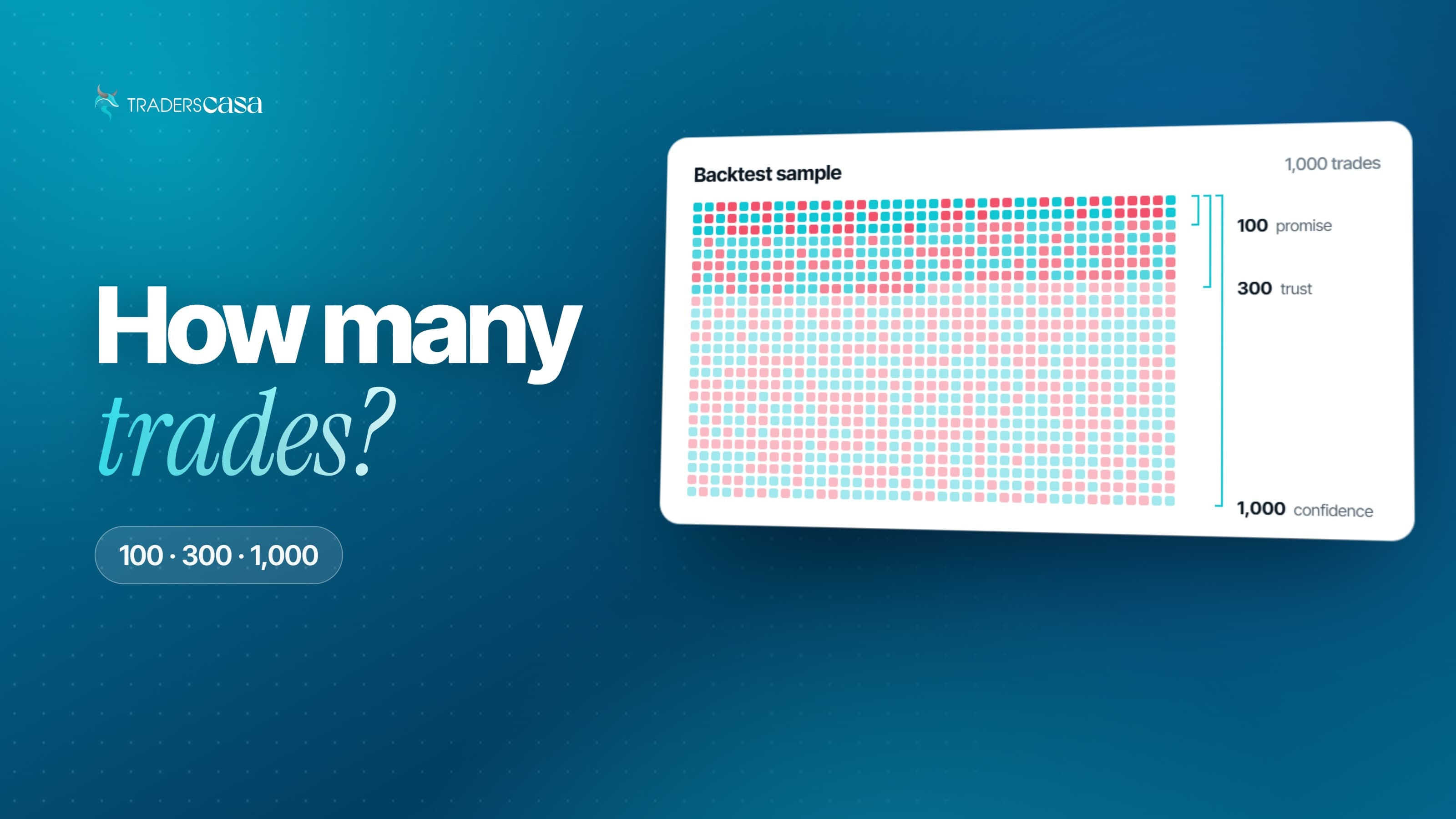
- 10 trades backtested? Too little.
- 100 trades backtested? Too little.
- 1000 trades backtested? This is more like it.
The reason is simple. Anyone can get lucky over a handful of trades. A strategy might look amazing after 20 trades, but that doesn't mean it actually has an edge. The more trades you collect, the harder it becomes for luck to hide the truth.
With every single trade, FOLLOW THE RULES. Then the data you collect is for that specific strategy, not a mix of them - this way, you can precisely replicate in live trading.
Things to avoid
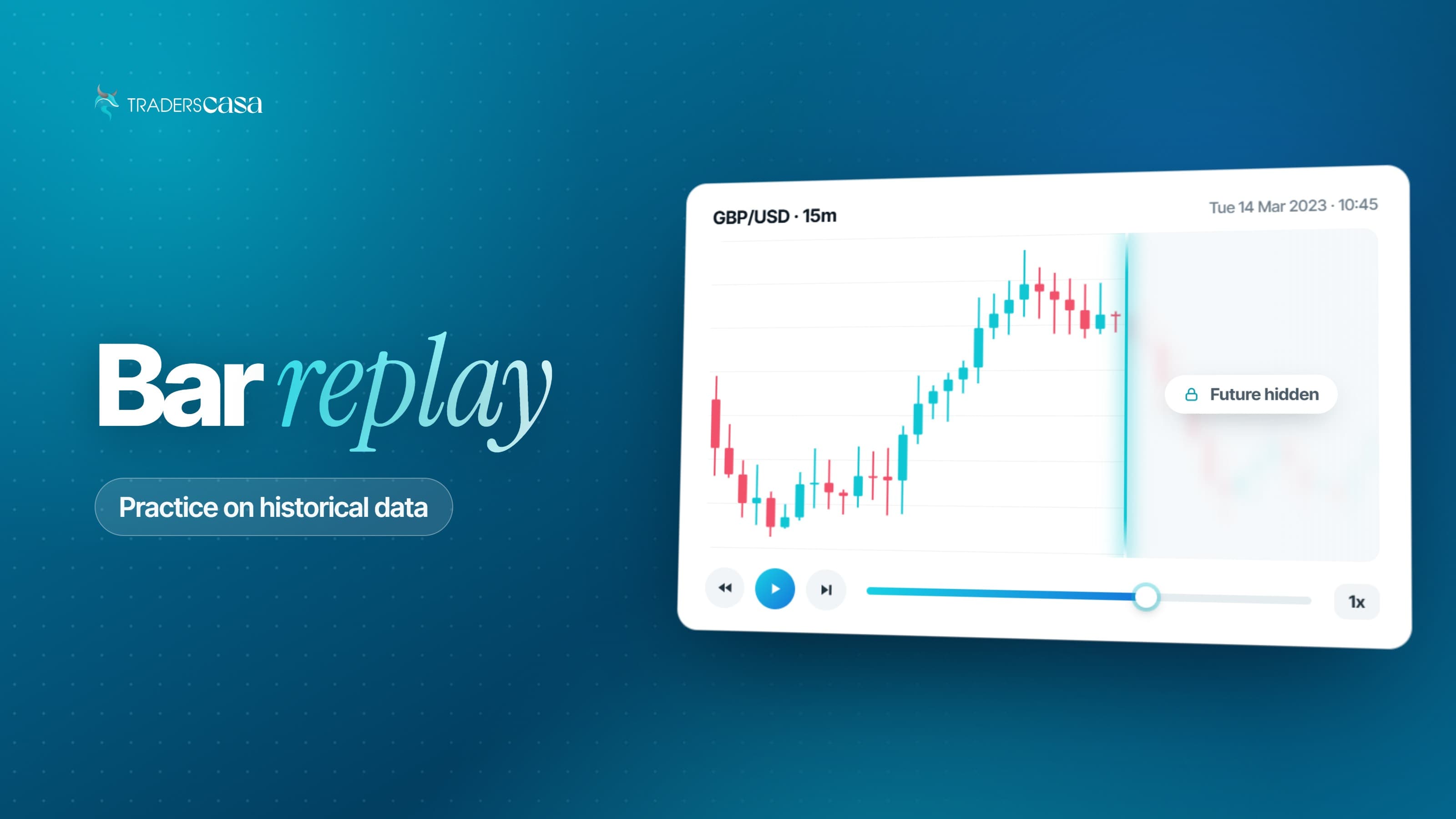
- Using rewind: You have seen price action already, going back is cheating. You never get this option in live trading, so why in backtesting?
- Trying new things (mid-session): Don't do it; define your rules and stick to them. If you want to try something new, start a new session.
- Getting demotivated after a loss streak: Even in backtesting it might be going so horribly wrong. Every time this happens you get closer to profitability.
So, if you haven't already, get backtesting.
Step 3: Read the Data
Congrats. You now have data, and you didn't blow your account in the process. That's the power of backtesting. Now let's read it.
A strategy that loses money can often be fixed. A strategy that makes money can often be improved. The real value comes from understanding why the results happened.
Start by looking at the big picture. What is your win rate? What is your average risk-to-reward ratio? How large are your losing streaks? How long are your trades being held for? These numbers help you understand the strengths and weaknesses of your strategy.
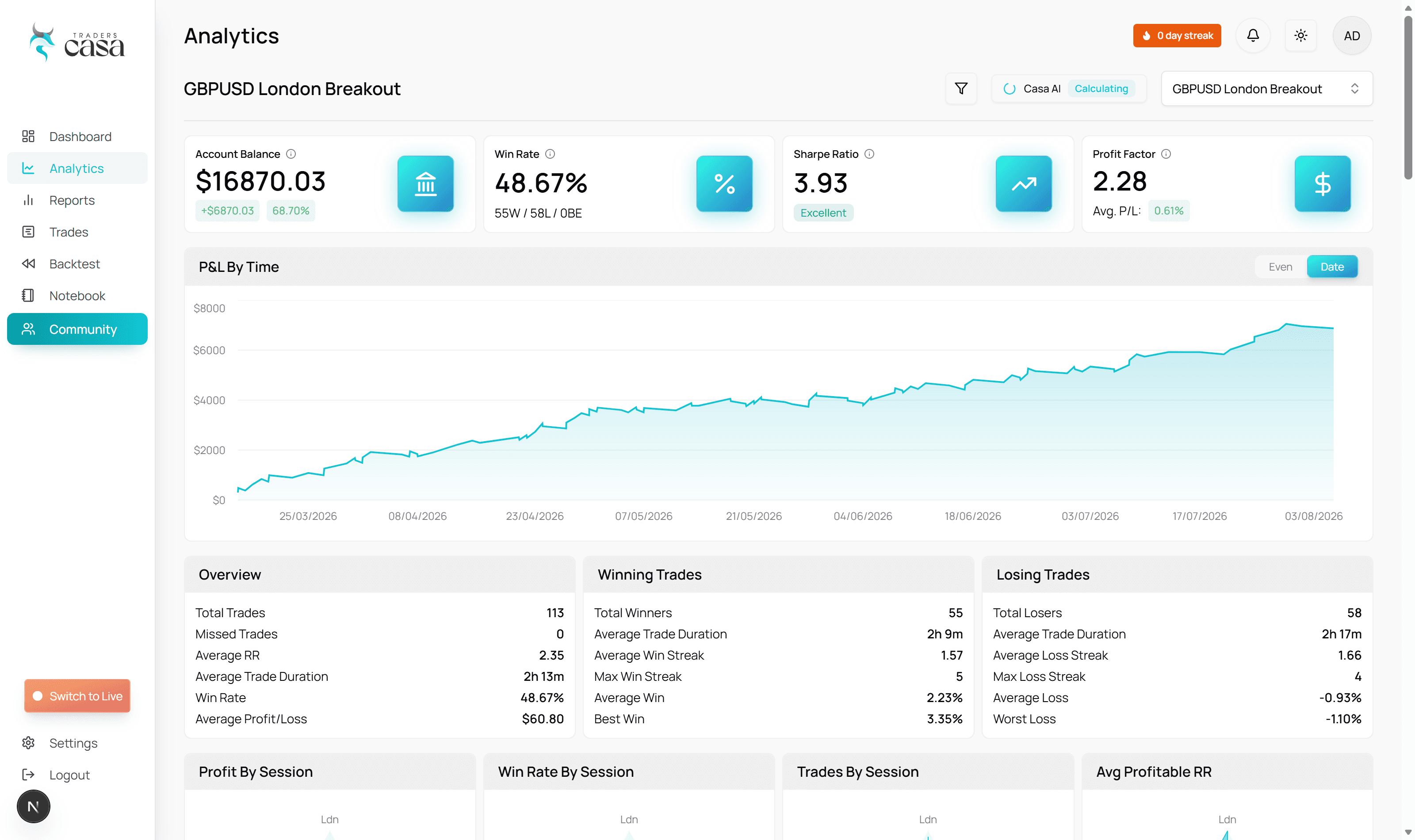
Then start digging deeper.
Ask questions like:
- Which session performs best?
- Which days of the week perform best? (and which don't?)
- Are your winners being closed too early?
- Are your losers being held for too long?
For example, you might discover that most of your profits come from London session trades. You might find that Mondays consistently lose money. You might realise that one setup performs twice as well as everything else.
These are the insights that give you REAL changes you can make to improve a strategy.
Find patterns, make improvements, and then backtest again.
That's how traders get better.
Step 4: Forward Test the Strategy
You've created the rules, you've gathered the data and you've analysed the results.
Now it's time for the final test.
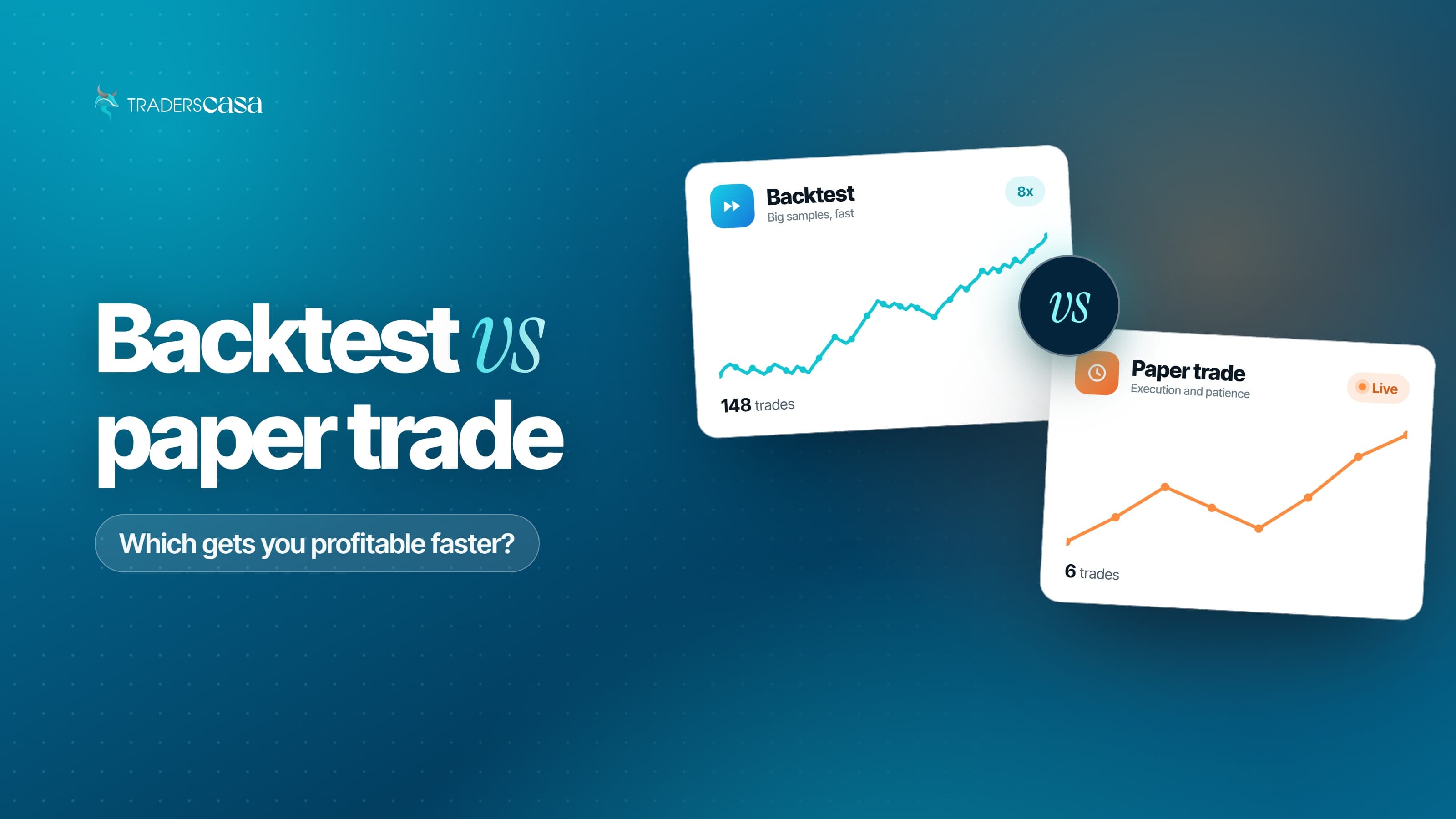
Forward testing is where you trade the strategy on live, unseen market data without risking real money (important: always start on a demo account). Live markets require A LOT of patience. A trade can be done in a few minutes on backtesting, but can take hours in the real markets.
Backtesting shows you that losses happen, so accept that you will lose some. Don't feel bad when you lose either, you already have the data to show that it's just a statistic.
Your checklist is your best friend here. When you enter and when you exit a live trade should be written in the rules. This makes revenge trading hard.
If you mess up and don't follow the rules for whatever reason, write it down after and reflect on why. We all make mistakes, but the best choose to learn from them.
The goal of forward testing is simple: prove that you can follow the rules in real market conditions.
If the strategy performed well over hundreds of backtested trades, and continues to perform well during forward testing, you now have something valuable.
Not a prediction. Not a hope. Evidence.
Forward test for at least a few weeks, preferably a few months. Take every valid setup and track the results exactly as you did during backtesting.
If the results are similar, congratulations.
You have a strategy worth risking real money on…
Quick Recap
If you only remember a few things from this guide, remember these:
- Create clear rules before placing a single trade.
- Backtest hundreds of trades, not dozens.
- Follow your rules exactly, every time.
- Focus on collecting honest data, not proving yourself right.
- Use analytics to find patterns and improve your strategy.
- Forward test on a demo account before risking real money.
- Keep risk low (1% max per trade as a beginner).
- Trading success comes from consistency, not prediction.
Now go collect some data.
Want to go deeper? See how many trades you should backtest, the full forex backtesting guide, and backtesting vs paper trading for what comes after the backtest.
Traders Casa lets you backtest any strategy for free, forever — bar by bar on TradingView-powered charts — then journal your live trades and track 300+ analytics in one place.
Start backtesting freeShare with a friend